Japanese Translator Q&A
What made you want to be a translator and what was your journey to become one?
I’ve always been interested in how meaning shifts between languages, especially when precision really matters. That interest gradually led me into automotive and engineering translation, where getting the details right is essential—and very satisfying.
What does a day in your life look like?
Most days are a mix of translation, review, QA, and research, with plenty of terminology checks along the way. A “simple” sentence can sometimes lead to a surprisingly deep technical rabbit hole — which is all part of the job.
How has the industry changed since you started working as a translator, and where do you see it going next?
Technology has become far more prominent, but so have expectations around quality and speed. As tools improve, I think specialist human translators become even more valuable—especially when accuracy really matters.
What do you think about the relationship between technology and translation?
Technology is an excellent assistant, but it’s not a decision-maker. Tools can speed things up, but understanding context, nuance, and intent still very much falls to the human translator.
What are the top 3 ‘tools’ from your translator arsenal that you can’t live without?
A reliable CAT tool, solid QA software, and clear client style guides. Together, they catch problems long before they reach the client—which everyone appreciates.
Do you prefer working alone in your own office/home, or sharing coworking spaces with others, and why?
I prefer working from my own office, where I can concentrate fully and manage confidentiality properly. It’s also much quieter—important when you spend a lot of time thinking very hard about very small details.
What do you look for in your ideal client?
Clear communication, realistic timelines, and an appreciation of quality. Bonus points for clients who welcome questions rather than fear them.
What should clients look for in their ideal translator?
Strong subject-matter expertise, attention to detail, and someone who isn’t afraid to say, “Let me check that.” Those moments usually make the biggest difference.
What’s one thing you wish more LSPs and end clients knew?
That translator queries aren’t delays—they’re quality control in action. If no questions are asked, that’s often when problems start.
How important do you think the relationship between Project Manager and translator is?
Extremely important. A good PM–translator relationship makes projects smoother, faster, and far less stressful for everyone involved.
What kinds of jobs do you find the most challenging and why?
Highly technical content with limited context. The challenge isn’t the complexity—it’s making sure nothing important is guessed rather than confirmed.
How do you look after yourself and cope with stressful days?
I rely on structure and pacing, allowing enough time for proper review instead of rushing. Regular workouts also help clear my head after long periods of concentration and keep stress from creeping in.
What is it you like in particular about working for Andiamo?
Clear communication, a strong focus on quality, and a genuine sense that translators are treated as collaborators rather than just part of a process.
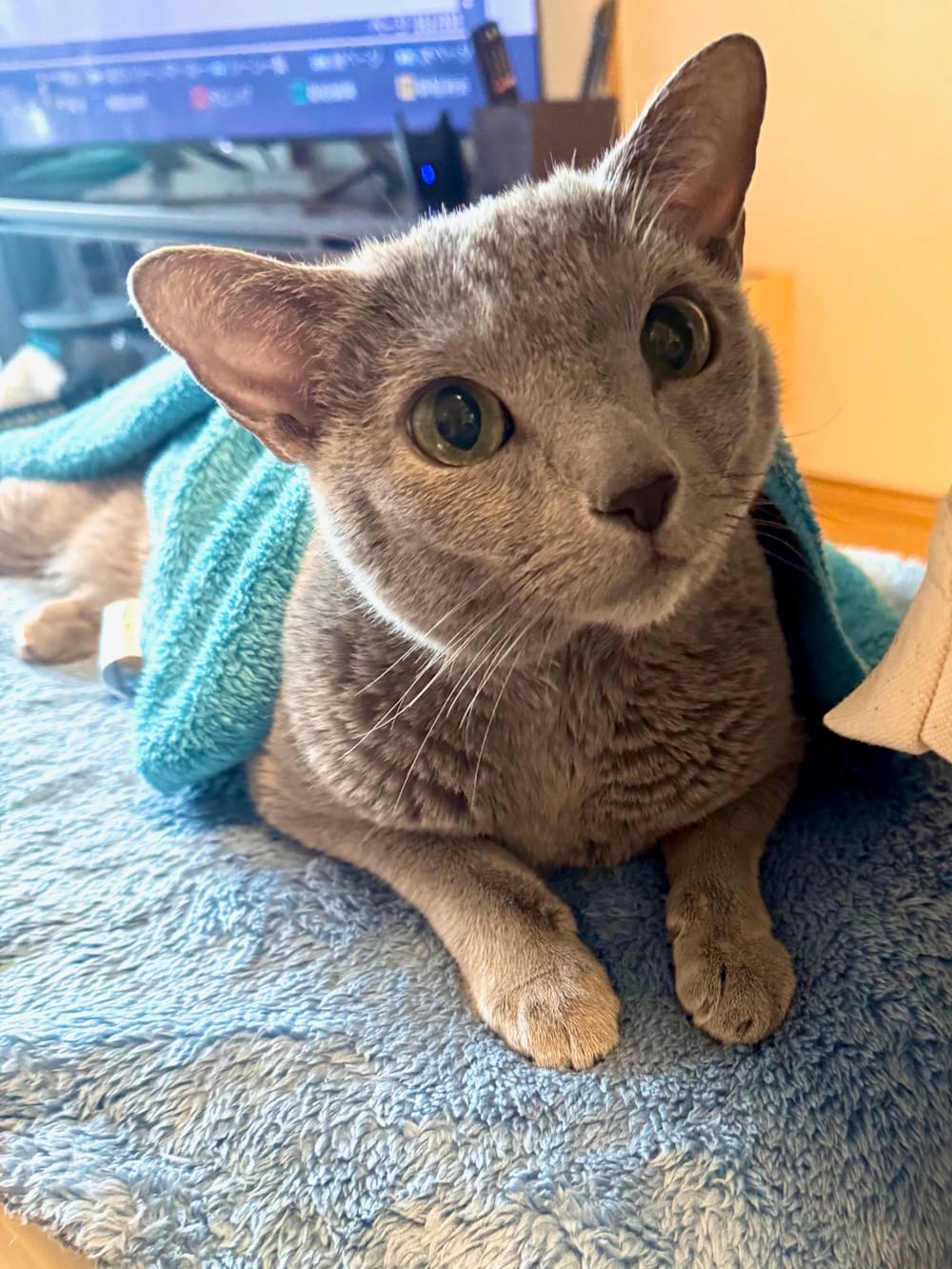
Everyone who works at Andiamo! is a massive animal lover, so this is a shameless call for you to please tell us about any pets you have! (Pictures highly encouraged.)
I’m a huge animal lover as well. I share my home with my cat, Luke, who is adorable, mischievous, and very good at reminding me to take breaks—usually by appearing on my desk at exactly the wrong moment. Taking you up on that, I’m very happy to include a few pictures of him.